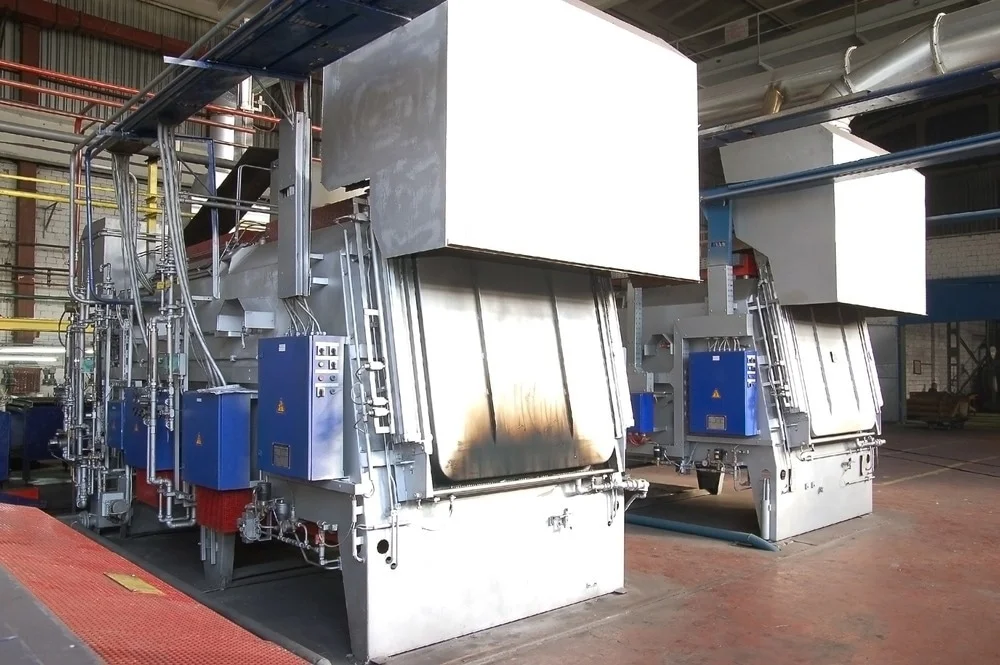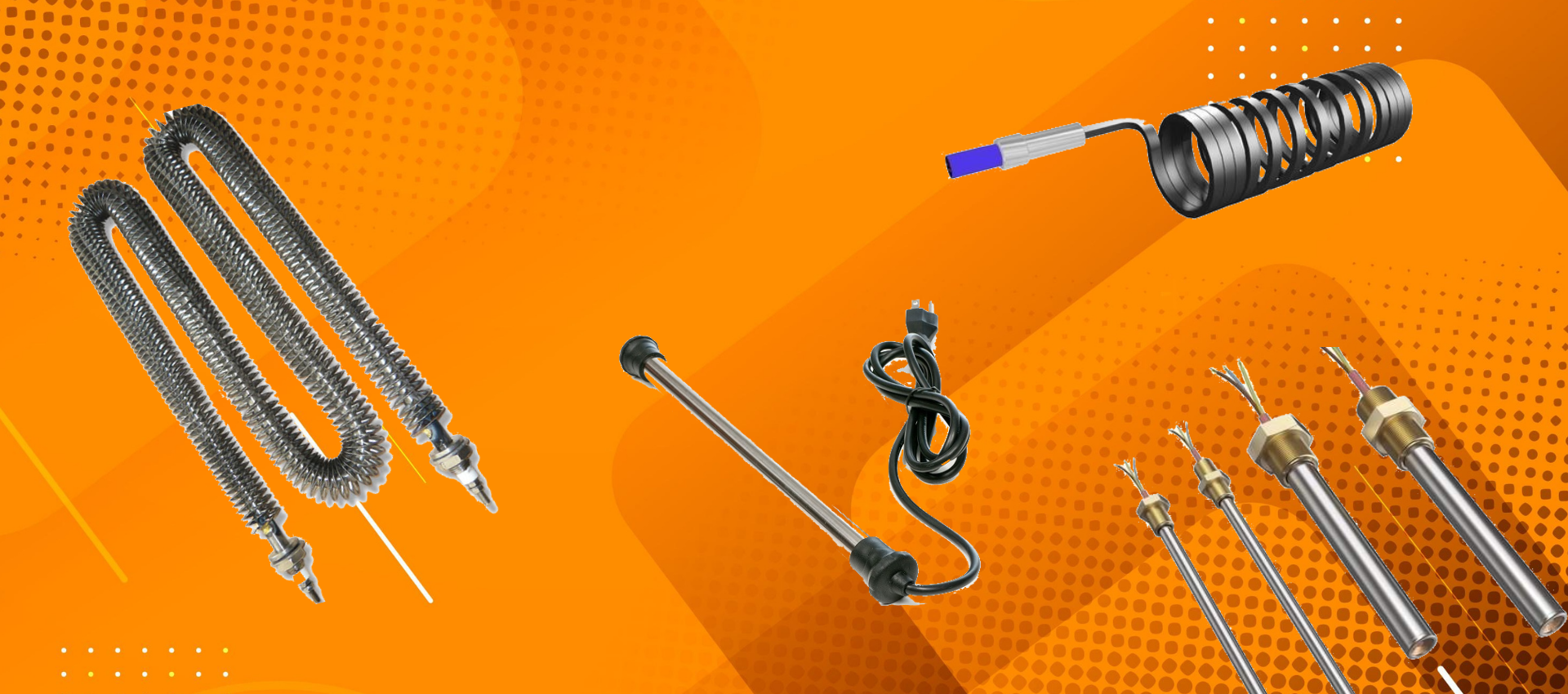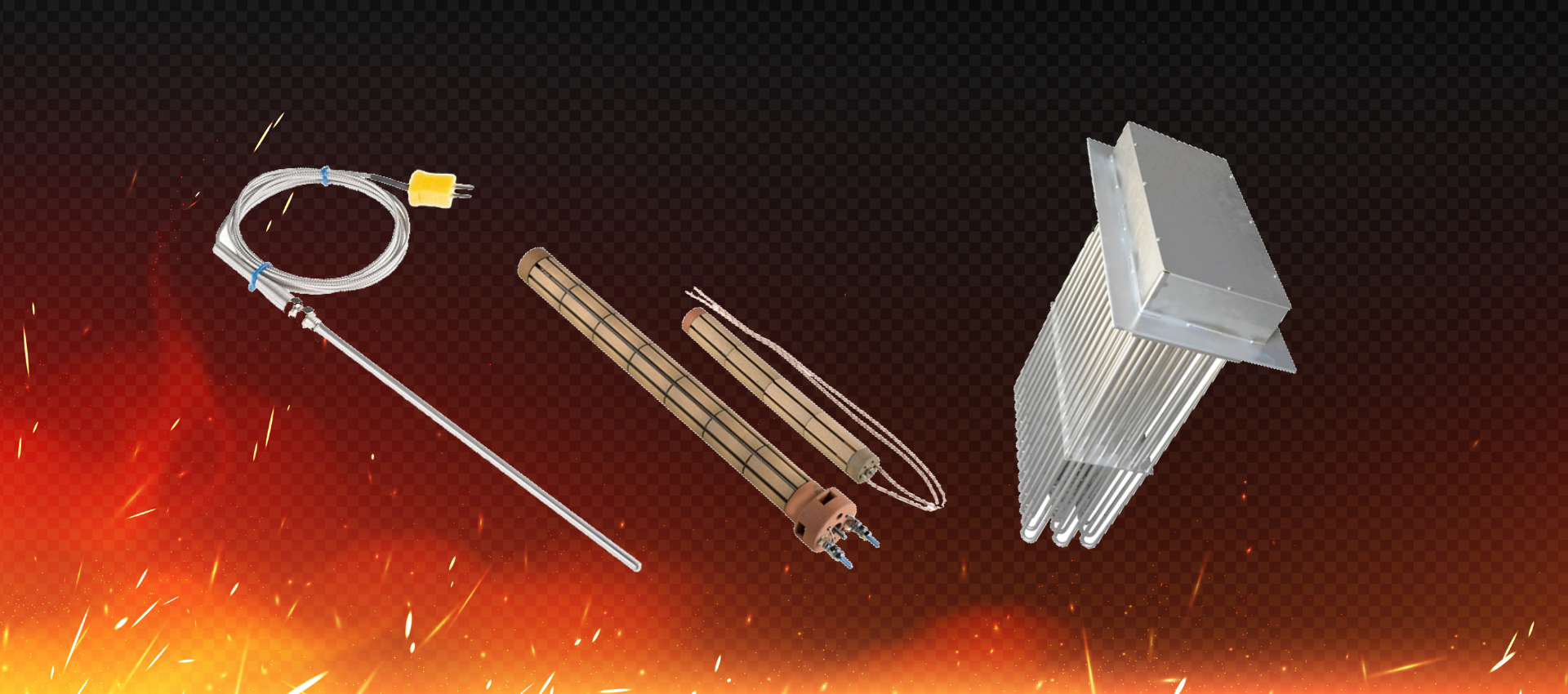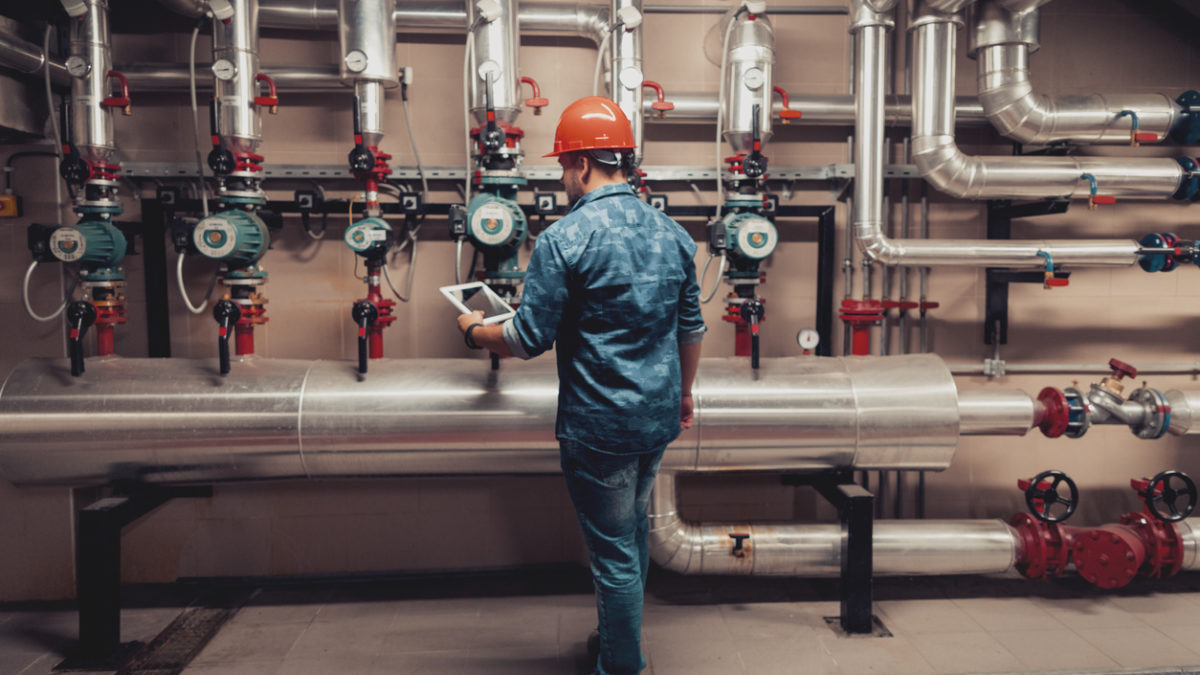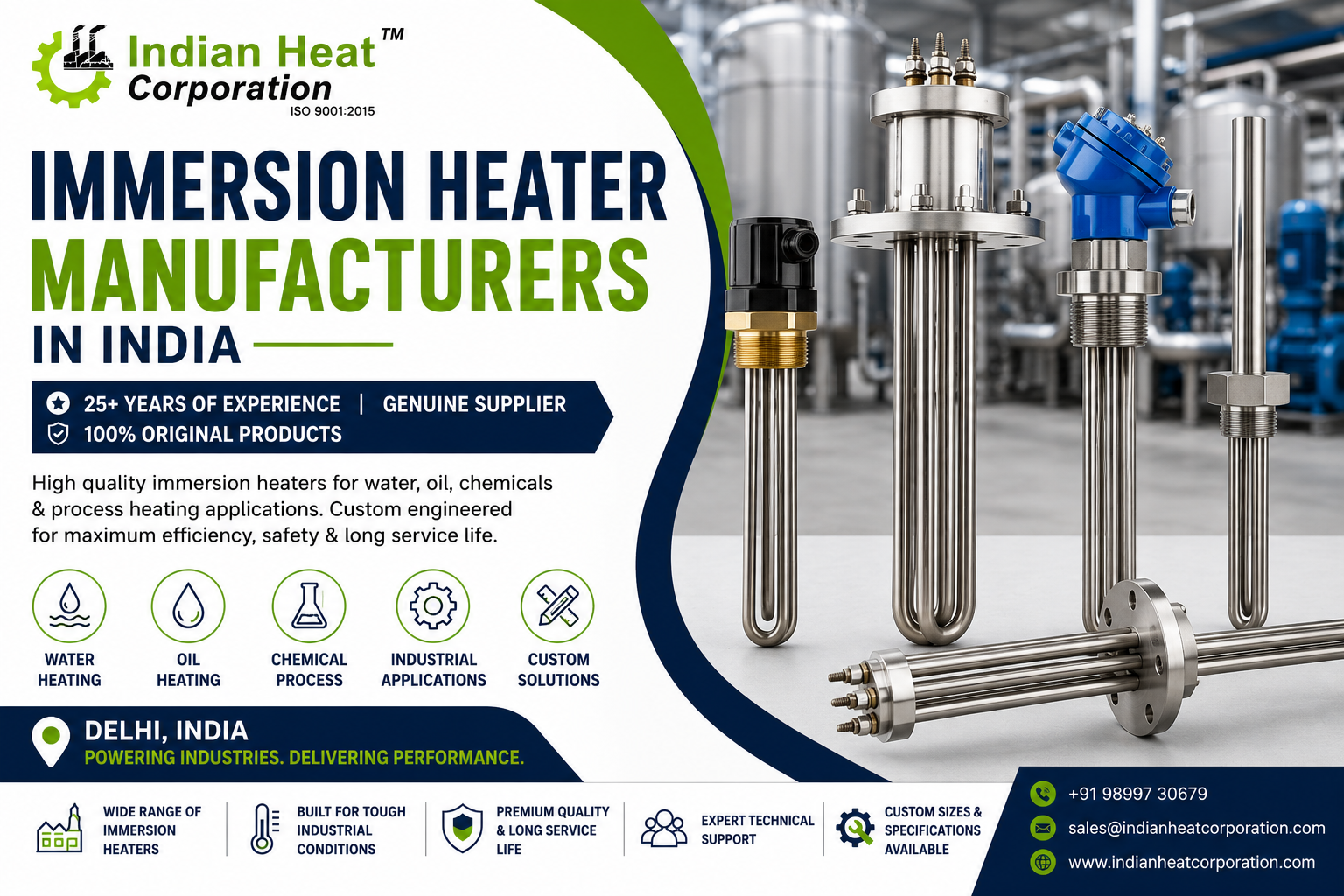
Industrial processes involving water, oil, chemicals, acids, alkaline solutions, and other liquids require reliable and controlled heating. This is where industrial immersion heaters play a critical role. Designed to transfer heat directly into a liquid or process medium, immersion heaters offer an efficient solution for industrial tanks, vessels, boilers, chemical processing equipment, oil systems, and water heating applications.
If you are searching for reliable Immersion Heater Manufacturers in India, Indian Heat Corporation offers industrial heating solutions designed for diverse process-heating requirements. With 25+ years of experience in the heater market, we focus on supplying genuine, high-quality, and 100% original products for industrial applications.
From standard immersion heating elements to customized heaters designed according to specific voltage, wattage, dimensions, mounting arrangements, and operating conditions, Indian Heat Corporation serves businesses looking for dependable industrial heating solutions across India.
This complete guide explains the types of immersion heaters, their working principle, applications, technical specifications, materials, advantages, selection criteria, maintenance requirements, and the important factors buyers should consider before choosing an immersion heater manufacturer in India.
An immersion heater is an electric heating device designed to heat liquids by placing the heating element directly into the medium that needs to be heated.
The electrical resistance element generates heat when electricity passes through it. This heat transfers through the heater sheath directly into the surrounding liquid.
Depending on the application, immersion heaters can be used for heating:
Water
Industrial process water
Oils
Lubricants
Chemicals
Acid solutions
Alkaline solutions
Cleaning solutions
Heat-transfer fluids
Other compatible industrial liquids
Because the heating element comes into direct contact with the medium, immersion heating can provide efficient heat transfer when the heater is correctly selected and installed.
An industrial immersion heater is used to directly heat liquids stored or circulated in tanks, vessels, pipelines, and process equipment.
Common applications include water heating, oil heating, chemical processing, tank heating, electroplating, pharmaceutical manufacturing, food processing, industrial cleaning, and process temperature maintenance.
The correct immersion heater depends on factors such as the liquid being heated, target temperature, tank capacity, heater sheath material, watt density, voltage, power requirement, mounting configuration, and operating environment.
Indian Heat Corporation specializes in industrial heating elements and customized heating solutions for businesses across multiple industries.
With more than 25 years in the heater market, our focus is on understanding real-world industrial heating requirements and providing products suited to the customer's application.
Our immersion heating solutions are available for standard and customized requirements.
Depending on the application, heaters can be manufactured or supplied based on:
Required voltage
Total wattage
Heater dimensions
Tank capacity
Operating temperature
Liquid or process medium
Mounting arrangement
Sheath material
Flange specifications
Thread specifications
Terminal configuration
Temperature sensor requirements
Our objective is straightforward: help customers select an appropriate heater for reliable performance rather than recommending a one-size-fits-all solution.
Industrial immersion heaters offer several practical advantages when correctly designed for the application.
The heating element is positioned directly inside the liquid, allowing heat to transfer from the heater sheath into the process medium.
Direct immersion can minimize intermediate heat-transfer losses compared with systems that require heat to pass through multiple surfaces.
Depending on equipment design, immersion heaters can be installed through threaded connections, flanges, tank walls, or other engineered mounting arrangements.
Industrial heaters can be designed around different tank sizes, process temperatures, voltage supplies, and operating conditions.
Different heater materials and configurations make immersion heaters suitable for water, oil, chemicals, and various compatible industrial fluids.
Immersion heaters can be integrated with suitable temperature controllers and sensors for more accurate process control.
The working principle of an immersion heater is based on electrical resistance heating.
When electrical current passes through a resistance wire, electrical energy is converted into heat. The generated heat travels through the insulating material and metallic sheath before being transferred into the surrounding liquid.
A typical industrial immersion heating system may include:
Resistance heating wire
Electrical insulation
Protective metallic sheath
Terminal connection
Mounting assembly
Temperature sensor
Temperature controller
The exact construction depends on the heater type and intended application.
For efficient and safe operation, the heating section should remain properly immersed according to the heater's installation requirements. Operating an immersion heater outside its intended conditions may cause excessive sheath temperatures and premature failure.
There is no single immersion heater suitable for every industrial application. Different designs are used depending on tank construction, process fluid, temperature, maintenance requirements, and power demand.
Below are some of the commonly used types of industrial immersion heaters.
Flanged immersion heaters consist of multiple heating elements mounted onto a flange assembly.
They are commonly considered for larger tanks and higher-capacity industrial process-heating applications.
Industrial water tanks
Chemical processing tanks
Oil storage tanks
Process vessels
Large heating systems
Industrial equipment
Suitable for higher heating capacities
Multiple heating elements can be incorporated
Different flange configurations may be available
Can be customized for specific industrial equipment
Suitable for controlled process heating
The appropriate flange size, heater material, wattage, and watt density should be selected according to the application.
Screw plug immersion heaters are designed with a threaded mounting arrangement that allows installation into compatible threaded openings.
Water tanks
Small and medium process vessels
Oil tanks
Industrial equipment
Cleaning systems
Compact design
Convenient installation
Suitable for various tank configurations
Available in different electrical ratings
Custom options may be possible
Over-the-side heaters are designed to be installed from the top or side of an open tank without requiring a permanent threaded or flanged opening in certain configurations.
Industrial tanks
Cleaning tanks
Rinse tanks
Surface treatment processes
Some chemical processing applications
They can be useful where easy removal and maintenance are important.
Water immersion heaters are specifically designed for compatible water-heating applications.
Industrial water tanks
Hot water systems
Process water
Washing systems
Cleaning equipment
The sheath material should be selected according to water quality, operating temperature, and process conditions.
Oil heating requires careful control of watt density because excessive localized temperatures can degrade certain oils or cause carbonization around the heating element.
Oil immersion heaters may be used for:
Lubricating oil
Fuel oil
Hydraulic oil
Heat-transfer oil
Industrial oil tanks
A properly designed oil heater should consider oil viscosity, flow conditions, required temperature, and allowable surface watt density.
Chemical processes require careful heater material selection because different chemicals can react differently with metallic sheath materials.
Chemical immersion heaters may be used in:
Chemical tanks
Process vessels
Mixing systems
Treatment tanks
Industrial chemical processing equipment
Material compatibility should always be evaluated before selecting a heater.
Depending on the chemical and process conditions, materials such as stainless steel, Incoloy, or titanium may be considered.
Standard products do not always meet specialized industrial requirements.
Indian Heat Corporation provides customized heating solutions based on application requirements such as:
Custom voltage
Custom wattage
Special dimensions
Specific flange sizes
Threaded connections
Special terminal arrangements
Different sheath materials
Sensor integration
Application-specific configurations
Custom engineering is particularly useful for OEM machinery, specialized tanks, and industrial process equipment.
Selecting the right sheath material is one of the most important decisions when buying an immersion heater.
The correct choice depends on:
Liquid composition
Operating temperature
Corrosiveness
Water quality
Process environment
Required service life
Common materials may include:
Stainless steel is commonly considered for many water and industrial process applications because of its durability and corrosion-resistant properties.
Incoloy alloys may be selected for demanding industrial environments where improved resistance to oxidation and corrosion is required.
Titanium may be considered for specific corrosive chemical environments where compatible with the process medium.
Copper provides excellent thermal conductivity and may be used for compatible water-heating applications.
Brass components may be used in certain threaded immersion heater configurations and compatible water-heating applications.
Important: Material selection should always be based on actual chemical compatibility and operating conditions. Buyers should provide complete information about the process fluid before finalizing an immersion heater.
The following table provides general examples of specifications that may be available. Final specifications should be confirmed according to the specific product and application.
| Technical Parameter | Available / Typical Options |
|---|---|
| Heater Type | Flanged, Screw Plug, Over-the-Side, Custom |
| Voltage | 110V, 220V, 230V, 240V, 380V, 415V, 440V or Custom |
| Phase | Single Phase / Three Phase |
| Wattage | Application-Specific / Custom |
| Sheath Material | Stainless Steel, Incoloy, Titanium, Copper or Compatible Material |
| Mounting | Threaded / Flanged / Custom |
| Length | Customizable |
| Diameter | Application-Specific |
| Terminal Type | Screw Terminal / Lead Wire / Terminal Enclosure |
| Temperature Sensor | Thermocouple / PT100 options where applicable |
| Temperature Control | Compatible controller options |
| Application | Water, Oil, Chemicals and Compatible Process Fluids |
Note: Technical specifications vary according to product design. Customers should consult Indian Heat Corporation with their actual operating requirements before placing an order.
Industrial immersion heaters are used across numerous sectors.
Used for controlled heating of compatible liquids in tanks, reactors, and process vessels.
Can support process water heating, equipment heating, and other controlled thermal applications.
Used in compatible water-heating and process-heating equipment where appropriate heater materials are selected.
Designed for controlled heating of oils while considering viscosity and watt-density requirements.
Used for maintaining required water temperatures in compatible tanks and process systems.
Specialized immersion heaters may be used for compatible plating baths, cleaning tanks, and treatment solutions.
Can be used for heating process liquids involved in compatible washing, dyeing, and treatment operations.
Industrial heaters may support component cleaning, surface treatment, and manufacturing processes.
Customized immersion heaters can be integrated into machines and equipment requiring dedicated liquid-heating systems.
Choosing an immersion heater based only on price or wattage can lead to poor performance and reduced heater life.
Before buying, consider the following factors.
Clearly specify whether you are heating water, oil, chemicals, or another process fluid.
The volume of liquid affects the total heating energy required.
For example:
Initial temperature: 25°C
Required temperature: 80°C
This information is essential for calculating heating requirements.
Heating 1,000 litres of water from 25°C to 80°C in one hour requires a different heater capacity than achieving the same temperature rise over four hours.
Material compatibility is particularly important for chemical and corrosive environments.
Watt density affects the heater's surface temperature and should be matched to the liquid.
Depending on tank construction, you may need:
Flanged mounting
Screw plug mounting
Over-the-side installation
Custom mounting
Specify:
Voltage
Single or three phase
Available electrical capacity
Accurate temperature control may require appropriate:
Thermostats
PID controllers
Thermocouples
PT100 sensors
Consider factors such as moisture, dust, corrosive vapours, and indoor or outdoor installation when selecting terminal protection and heater configuration.
To help us recommend an appropriate immersion heater, provide as much of the following information as possible:
Liquid or chemical name
Tank capacity
Tank dimensions
Starting temperature
Required final temperature
Desired heating time
Available voltage
Single-phase or three-phase supply
Existing heater specifications, if replacing
Mounting requirements
Flange or thread size
Quantity required
Operating environment
Providing complete information helps reduce the risk of incorrect heater selection.
The required heating power depends on several variables:
Mass or volume of liquid
Specific heat capacity
Required temperature increase
Desired heating time
Heat losses from the tank and environment
A simplified sensible-heat calculation is:
Energy Required = Mass × Specific Heat Capacity × Temperature Rise
The calculated energy can then be related to the desired heating time to estimate the required power.
However, real industrial systems also experience heat losses through tank walls, pipes, open surfaces, and surrounding air.
For critical applications, heater sizing should therefore include appropriate allowance for thermal losses and process conditions.
Before choosing an immersion heater manufacturer in India, ask:
Can the heater be customized for my application?
Which sheath material is suitable for my process liquid?
What watt density is recommended?
Is the heater suitable for continuous operation?
What mounting options are available?
Can temperature sensors be integrated?
What technical information is required for correct sizing?
Is application-specific engineering support available?
What quality checks are performed?
What is the expected manufacturing and delivery timeline?
A reliable supplier should ask about your application before recommending a product.
When industrial production depends on consistent process temperatures, choosing the right heating partner matters.
With more than 25 years of experience in the heater market, Indian Heat Corporation brings extensive practical knowledge of industrial heating requirements.
We focus on providing genuine industrial heating products and transparent product specifications based on customer requirements.
Indian Heat Corporation is committed to supplying 100% original products with a strong focus on quality and reliability.
We understand that industrial requirements vary. Our team can assist with customized configurations based on voltage, wattage, dimensions, mounting style, and process conditions.
In addition to immersion heaters, Indian Heat Corporation offers a comprehensive range of industrial heating solutions for different applications.
Rather than selecting a heater based only on dimensions, we encourage customers to consider the actual liquid, temperature, tank capacity, and operating environment.
Our team assists customers in identifying suitable heater configurations based on the information provided.
We serve customers across Delhi NCR and industrial locations throughout India.
Proper operation and maintenance can significantly influence heater life.
Follow these practices:
Never operate the heater dry unless specifically designed for dry operation.
Ensure the active heating section remains properly immersed.
Avoid excessive watt density for sensitive liquids.
Select a sheath material compatible with the process medium.
Inspect heaters regularly for scale and deposits.
Maintain clean heating surfaces.
Check terminal connections periodically.
Use appropriate temperature controls.
Avoid operating beyond recommended temperatures.
Follow installation and maintenance guidelines.
In hard-water applications, mineral scale can accumulate on heater surfaces. Scale acts as insulation, potentially increasing sheath temperature and reducing heater performance. Periodic inspection and appropriate cleaning can help maintain efficiency.
Understanding failure causes can help prevent unnecessary downtime.
Common causes may include:
Operating an immersion heater without adequate liquid coverage can cause rapid overheating.
Using an incompatible material in a corrosive liquid may cause premature deterioration.
High surface loading may damage sensitive fluids or increase heater operating temperature.
Mineral deposits can reduce heat transfer.
Applying voltage outside the heater's design specification can damage the element.
Poor connections can create localized heating and electrical problems.
Incorrect positioning or insufficient immersion can reduce heater performance and lifespan.
An immersion heater is an electric heating element designed to heat liquids directly by transferring heat from its sheath into the surrounding process medium.
They are commonly used for heating water, oils, chemicals, and other compatible liquids in tanks, vessels, and industrial process equipment.
The best heater depends on the liquid, tank capacity, target temperature, heating time, voltage, watt density, mounting arrangement, and operating environment.
Common types include flanged immersion heaters, screw plug heaters, over-the-side heaters, water immersion heaters, oil heaters, chemical heaters, and custom-designed immersion heaters.
There is no single best material for every application. Stainless steel, Incoloy, titanium, copper, and other materials may be selected depending on the process fluid and operating conditions.
Yes. Indian Heat Corporation can provide customized solutions based on voltage, wattage, dimensions, mounting, sheath material, and other application requirements.
Yes, but oil heating requires appropriate watt density and temperature control to avoid excessive localized temperatures.
Yes, provided the heater material and design are compatible with the specific chemical and operating conditions.
It is an industrial heater consisting of one or more heating elements mounted on a flange for installation into compatible tanks or process vessels.
A screw plug immersion heater uses a threaded mounting arrangement for installation into a compatible tank or vessel connection.
Wattage should be calculated based on the liquid volume, specific heat, required temperature rise, desired heating time, and expected heat losses.
Watt density affects the heater surface temperature. The appropriate level depends on the liquid and process requirements.
Some industrial immersion heaters can be designed for continuous operation, but suitability depends on the product design and application conditions.
Use the correct material and watt density, maintain proper liquid coverage, prevent dry firing, control temperature, and inspect the heater regularly.
Minerals present in certain water supplies can deposit on hot heater surfaces over time.
Indian Heat Corporation serves customers in Delhi NCR and various industrial locations across India.
Choosing the right industrial immersion heater requires more than simply matching voltage and wattage. The process liquid, tank capacity, target temperature, required heating time, sheath material, watt density, mounting method, and operating environment should all be considered before selecting a heater.
With 25+ years of experience in the heater market, Indian Heat Corporation provides industrial heating solutions focused on quality, customization, and application-specific requirements.
As a trusted name for industrial heating requirements, we are committed to supplying genuine and 100% original products designed to meet the needs of modern industries.
Whether you require a flanged immersion heater, screw plug immersion heater, water heater, oil immersion heater, chemical immersion heater, or a customized industrial heating element, contact Indian Heat Corporation with your technical requirements.
Indian Heat Corporation – Your Trusted Partner for Industrial Immersion Heating Solutions in India.
Looking for the best Hopper Heating Element Manufacturers in Kolkata?
Contact Indian Heat Corporation today for a free consultation and discover how our heating solutions can transform your operations.
📞 Call Now: +91-9891377270, 7982533957
📧 Email: info@indianheatcorporation.com
🌐 Website: www.indianheatcorporation.com